
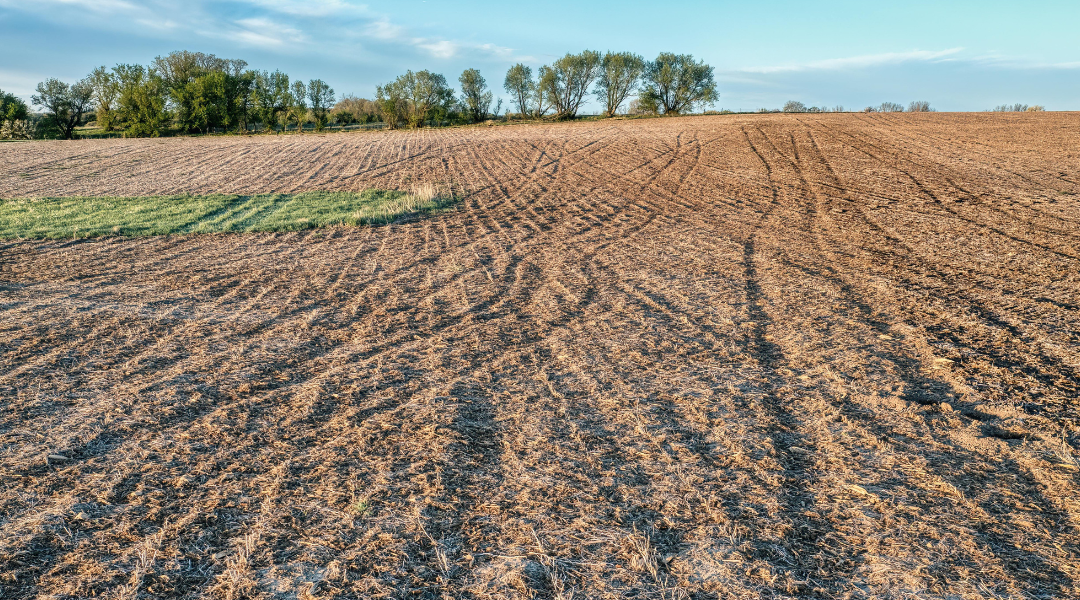
Maybe you bought a wooded lot in Odessa and want room for a pool. Maybe the back acre in Land O’ Lakes has turned into a wall of brush, vines, and volunteer trees. Either way, you have probably spent the summer looking at it and thinking the same thing: not in this heat, and not in this mud. If land clearing in Tampa Bay is on your list, fall is when that plan starts to make sense.
From June through early October, daily storms turn clearing sites into soft, rutted ground. Equipment gets stuck. Work stops. Schedules slide. Once the rainy season winds down, the ground firms up and the work moves faster and cleaner.
Timing is only part of the picture, though. Clearing a lot in Hillsborough, Pasco, or Pinellas County often involves permits, protected trees, and decisions about what stays and what goes. This guide walks you through why fall works so well, what the permit side looks like, and how to plan a clearing project that protects your property and your budget.
Why Is Fall a Good Time for Land Clearing in Tampa Bay?
The rainy season is winding down
According to the National Weather Service in Tampa Bay, our rainy season typically runs from late May to around October 10 for most of West Central Florida. After that, frequent afternoon storms become much less common.
For a clearing project, that shift matters. Drier soil supports heavy equipment better, which means fewer ruts, less soil damage, and a smoother finished grade.
Less disturbance to your yard
Wet ground compacts and tears easily under machinery. When the soil is firm, crews can move in and out with less impact on the areas you want to keep, such as lawns, driveways, and root zones of trees you plan to save.
You get ahead of spring projects
If you plan to build, add a pool, install a fence, or plant in spring, clearing in fall gives you a head start. Permits, surveys, and contractor schedules often take longer than people expect. Starting now keeps the whole project from bunching up later.
Hurricane season is not over yet
Atlantic hurricane season runs through November 30, so storms late in the season are still possible. Clearing out dead trees, weak trees, and heavy brush near your home lowers the amount of debris that can end up on your roof or fence if a storm does come through.
What Does Land Clearing Include?
Land clearing is more than knocking down trees. A carefully planned project handles everything from the first cut to the final grade, so you end up with usable space instead of a mess.
Tree and brush removal
Most clearing jobs start with removing unwanted trees, overgrown brush, and invasive plants. Our land clearing services cover full lots and smaller sections of property, with care taken to limit erosion and protect the soil you will build or plant on later.
Stumps and roots
Leftover stumps can get in the way of building, mowing, and grading. Depending on the plan for the space, stumps may be ground down below the surface or removed so the site is ready for what comes next.
If you plan to build on the cleared area, let your contractor and clearing crew talk early. Foundations and driveways may need a different level of root removal than a lawn does.
Grading and cleanup
Once vegetation is gone, the ground often needs leveling. Grading helps water drain the right way and gives you a clean surface for a lawn, driveway, or foundation.
Debris hauling
Clearing creates a lot of material: logs, limbs, brush, and root balls. Before work starts, ask how that material will be handled and whether hauling is part of the price. A cleared lot covered in debris piles is not finished.
Some homeowners like to keep a portion of the wood chips for mulch in garden beds. If that interests you, say so early so it can be set aside.
Do You Need a Permit for Land Clearing in Tampa Bay?
Often, yes. Many clearing projects in our area need some form of county or city approval, especially when trees are involved. The rules depend on where your property sits and what you plan to remove.
Hillsborough County rules
In unincorporated Hillsborough County, the county’s tree removal permit guidance explains that clearing an area generally calls for a land alteration permit, not just a single tree removal permit. The county notes that review can take a few weeks, and that submitting an evaluation from a certified arborist can shorten the inspection timeline.
Large oaks get special attention. Some grand trees cannot go through the faster review process at all, so it pays to know what is on your lot before you plan the work.
City and neighboring county rules
If your property is inside the City of Tampa, Temple Terrace, or Plant City, those cities handle their own permits. Pasco and Pinellas Counties also have their own rules. The same project can have very different requirements a few miles apart.
Why the permit step matters
Clearing without the right approval can lead to fines, replacement tree requirements, or delays on a future building permit. Getting it right at the start is almost always faster and less expensive than fixing it later.
Because permit reviews take time, fall is a good season to get the paperwork started. If you apply now, you can often have approval in hand while the weather is still dry and mild.
How Do You Plan a Land Clearing Project the Right Way?
Good clearing starts with a plan, not a chainsaw. A few decisions up front can save you money and protect the trees that make your property valuable.
Decide what stays
Healthy, mature trees add shade, curb appeal, and value. Walk the property and mark the trees you want to keep before any work begins. An ISA Certified Arborist can help you tell which trees are healthy and which are likely to struggle once the land around them changes.
Native trees like live oaks and longleaf pines are often worth working around. Knowing what you have also helps with the permit process, since some species and sizes carry extra protection.
Protect the root zones of trees you keep
Tree roots spread much farther than most people think. Heavy equipment, soil piles, and grading inside a root zone can damage a tree you meant to save. Marking protection zones before work starts keeps that from happening.
Damage to roots does not always show right away. A tree can look fine for a year or two after construction, then start to decline. Protecting roots during clearing is much easier than trying to save a tree later.
Get help with the paperwork
Permits can feel like a maze, especially if you are dealing with protected trees or a larger lot. Our permitting services help you figure out what your project needs and move the process along, so you are not left guessing.
Get a clear, written estimate
Ask for an estimate that spells out what is included: tree removal, brush, stumps, grading, and debris hauling. That way you know exactly what you are paying for before the first tree comes down.
Why Work With a Certified Arborist for Land Clearing?
Clearing and tree care go hand in hand
Clearing a lot changes the conditions for every tree that remains. An arborist looks at the whole property, not just the trees coming down, and can flag risks like trees that may become unstable once their neighbors are removed.
An owner who is on the job
Arborist Aboard is owned and operated by an ISA Certified Arborist who manages the work on site and works alongside the team. We are fully licensed and insured, and our customers are never just another number.
Honest advice on what to keep
Not every tree on a wooded lot is worth saving, and not every tree needs to go. We will tell you plainly which trees are healthy, which ones are likely to fail after clearing, and which ones may affect your permit. You make the final call on your property.
Start Your Fall Clearing Project on Solid Ground
Fall is one of the best windows for land clearing in Tampa Bay. The ground is firmer, the work moves faster, and you get ahead of spring plans and the tail end of hurricane season. Before work starts, check your permit requirements, decide which trees to keep, and get a written estimate that covers the full job.
If you are ready to turn that overgrown lot into usable space, we would be glad to help. Contact Arborist Aboard for a free land clearing estimate and let’s walk the property together.
